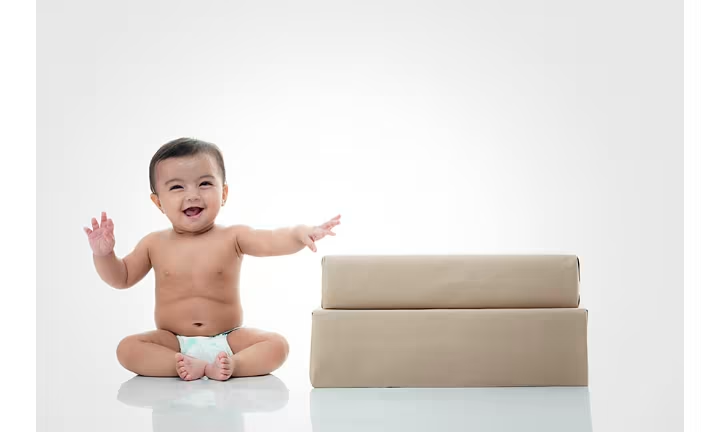
Dehydration in Infants: Causes, Signs, and Treatment


Every parent strives to keep their little one healthy by doing everything possible. Yet, babies do get sick from time to time with illnesses like a fever or diarrhoea, which can lead to dehydration in newborns.
Although you can't always prevent your baby from falling sick, you can try keeping your baby away from dehydration. Read below to know more about dehydration in infants and toddlers, the signs of dehydration in newborn, toddlers and older children, and how you can treat dehydration.

What Is Dehydration?
Our bodies need water and other fluids to function properly. Over the course of a day, it's normal for your baby to lose and replenish water – sweating, crying, peeing and doing poos are all ways of losing water. That water is replaced when your little one feeds, eats or drinks.
Dehydration can occur if your baby or toddler loses more fluid than he or she takes in. This applies to adults and kids alike, but dehydration tends to happen more easily in babies and young children than in grown-ups.
Dehydration is usually easy to treat but can be serious if it isn’t dealt with immediately. This is why it’s important to recognise the signs and symptoms and get treatment as soon as possible.
Causes of Dehydration in Newborn
Dehydration can happen more easily when children have diarrhoea, vomiting or a fever, or during hot weather. Find out more about these causes of dehydration below:
Signs of Dehydration in Newborn
The signs of dehydration in newborn or toddler can depend on the level of dehydration your baby might have.
If your child has mild to moderate dehydration, he may:
If your baby shows any of the above signs, call his doctor immediately. The paediatrician will advise and instruct you as to what can help treat the dehydration in your baby. He may also recommend a store-bought electrolyte solution.
If your child has severe dehydration, then he may:
Dehydration fever in infants is a sign of severe dehydration too. So, if you notice any of the signs mentioned above or feel that your baby may be severely dehydrated, visit the doctor right away. Your baby may need to be rehydrated intravenously and may require hospitalisation.

Treatment of Dehydration in Infants
The treatment of dehydration in infants aims to replace the missing fluids, minerals salts and sugars. The ways of doing this can vary from simply administering a rehydration solution to the replacement of fluids via an intravenous drip. Precisely which treatment is needed depends on various factors, including your baby’s age and how severe the dehydration is. This is why it’s essential to call your doctor if your baby experiences any infant dehydration symptoms: Your child needs to be assessed so any urgent treatment, if needed, can be given.
After this, based on your child’s age and an assessment of the symptoms, you may be advised to:
When to See A Doctor?
If your child has any illness like a fever or diarrhoea, call or visit your doctor to get him treated and to avoid dehydration. If you notice any signs of dehydration in your infant, toddler or older child, contact your doctor straight away. Also notify your doctor if you feel that your kid isn't getting enough fluids or if he is vomiting and not keeping the fluids down or if he isn't eating/feeding or drinking enough.
Preventing Dehydration
Whenever your child is sick with an illness that causes fever, diarrhea, or vomiting, it's really important that they get plenty of fluids to keep them from becoming dehydrated. If your baby is under 6 months old, give them extra breast milk or formula, since water is not recommended for babies this young. If your child is showing mild signs of dehydration, a store-bought electrolyte solution can help ensure that they’re rehydrating with the correct balance of salts and sugars, especially if the dehydration is caused by diarrhea.
If you are outside on a hot summer's day with your child, stay in the shade whenever possible. You'll also want to make sure your little one is protected from the sun with a wide-brimmed hat and loose, lightweight cotton clothing with long sleeves, along with baby sunscreen. These steps can help protect your baby from sunburn and dehydration.
It's also important to keep your baby hydrated before they even start to get thirsty. So, if you're outside, ensure that you have liquids on hand.
The Bottom line
Now that you are aware of the signs of dehydration in newborns, you will be able to recognise the symptoms and help your baby get treatment in time. Do not panic if you suspect your child to be dehydrated or is not getting enough fluid. Although dehydration in infants can be scary, your doctor will know how to treat it.
Of course, prevention is better than cure! So, it's best to prevent your baby from getting dehydrated in the first place. Try getting your baby to drink enough fluids – especially if he is ill or the weather's hot.
Related Articles:
Related Tools:
When to Start Weaning a Baby off Breast Milk
Learn signs that indicate when to stop breastfeeding your baby & the start of weaning process. Visit Pampers India for more information on baby care.
Read more
Tips on Feeding your Baby
Follow the guidelines on how to feed your baby & what solid foods should babies have in their early age. For more information on feeding babies, visit Pampers India.
Read more
Baby feeding: when to move to milk
Thinking of moving your baby over to bottled milk? Find out the best time to do so, and how much bottled milk they will need using our handy guide.
Read more
Eat out with kids
The first step in helping to ensure that eating out with your baby is a stress-free experience is ensuring that the restaurant is family-friendly.
Read more
Why You Should Wake a Newborn to Eat
Learn when and how to wake your newborn to eat. Discover feeding schedules, sleep needs, and tips for ensuring your baby gets the right nutrition at the right time.
Read more
Power Pumping to Increase Your Breast Milk Supply
Power pumping helps increase breast milk supply. Learn effective schedules, techniques, and tips to optimize lactation, improve output, and support your breastfeeding journey
Read more
Safe Baby Food Chart For 4-12 Month Olds
Discover the safest baby food ideas for 4-12 month old baby.Explore our month wise baby food chart to make your baby a complete diet plan with all the nutrients required for development.
Read more
How and When to Start Giving Water to A Newborn and Babies?
Click here on Pampers India to know more about when can you give water to your newborn, why should you wait until your baby turns a certain age, and so on.
Read moreWhen to Start Weaning a Baby off Breast Milk
Learn signs that indicate when to stop breastfeeding your baby & the start of weaning process. Visit Pampers India for more information on baby care.
Read moreTips on Feeding your Baby
Follow the guidelines on how to feed your baby & what solid foods should babies have in their early age. For more information on feeding babies, visit Pampers India.
Read moreBaby feeding: when to move to milk
Thinking of moving your baby over to bottled milk? Find out the best time to do so, and how much bottled milk they will need using our handy guide.
Read moreEat out with kids
The first step in helping to ensure that eating out with your baby is a stress-free experience is ensuring that the restaurant is family-friendly.
Read moreWhy You Should Wake a Newborn to Eat
Learn when and how to wake your newborn to eat. Discover feeding schedules, sleep needs, and tips for ensuring your baby gets the right nutrition at the right time.
Read morePower Pumping to Increase Your Breast Milk Supply
Power pumping helps increase breast milk supply. Learn effective schedules, techniques, and tips to optimize lactation, improve output, and support your breastfeeding journey
Read moreSafe Baby Food Chart For 4-12 Month Olds
Discover the safest baby food ideas for 4-12 month old baby.Explore our month wise baby food chart to make your baby a complete diet plan with all the nutrients required for development.
Read moreHow and When to Start Giving Water to A Newborn and Babies?
Click here on Pampers India to know more about when can you give water to your newborn, why should you wait until your baby turns a certain age, and so on.
Read more